General

underfloor heating components overview

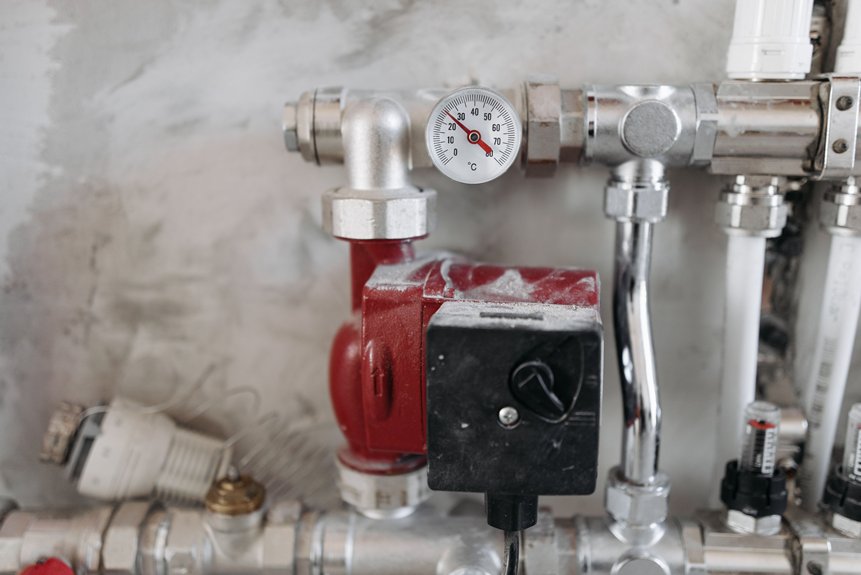
Estimating Underfloor Heating: Pipework, Manifolds, and Controls

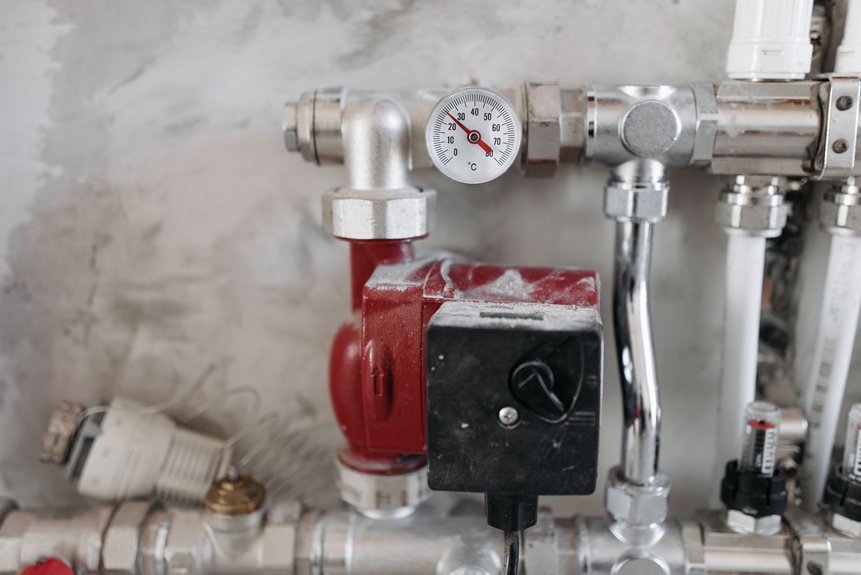
When estimating underfloor heating, it is essential to concentrate on key components such as pipework, manifolds, and controls to ensure optimal performance. Selecting the right type of pipe material and diameter is crucial for effective heat distribution, while suitable manifolds play a significant role in promoting efficient circulation throughout the system.

Incorporating intelligent controls can enhance both convenience and efficiency, ultimately making your underfloor heating system more user-friendly.

It is important to understand these factors thoroughly. Additionally, be mindful of potential pitfalls during installation that may impact the overall effectiveness of the system. Taking the time to plan and consider these elements will lead to a more successful underfloor heating installation.

Estimating Underfloor Heating: Pipework, Manifolds, and Controls Read Post »

water treatment tender costs

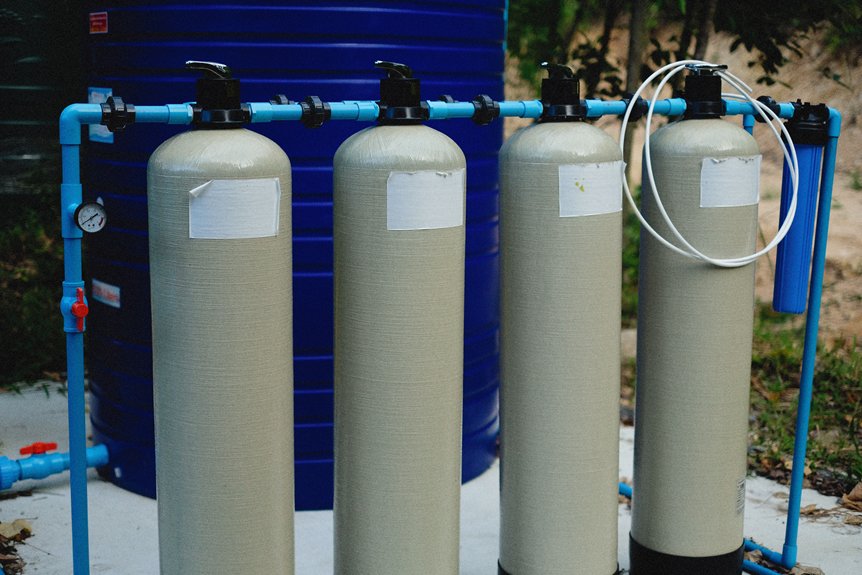
Costing Water Softeners and Filtration Systems in UK Tenders

When costing water softeners and filtration systems for tenders in the UK, it’s essential to carefully consider both initial and ongoing expenses. It is important to clearly define your requirements from the outset to prevent unnecessary expenditure on features that may not be needed. Involving key stakeholders can provide valuable insights, ensuring that the chosen systems align effectively with community needs.

In addition to these considerations, there are several other factors to weigh when making an informed decision. Understanding the complexities of water softening and filtration can uncover substantial cost-saving opportunities.

Take into account the specific types of water treatment systems available, as each comes with its own unique benefits and challenges. The local water quality and hardness levels should also influence your choice, as they can impact the efficiency and longevity of the systems.

Regular maintenance requirements and the availability of replacement parts are other crucial points to consider. These aspects can significantly affect long-term costs and system performance.

By thoughtfully evaluating all these elements, you can make a well-informed decision that balances quality, effectiveness, and budgetary constraints.

Costing Water Softeners and Filtration Systems in UK Tenders Read Post »

commercial boiler pricing guide

How to Price Commercial Boilers and Plant Room Equipment

When pricing commercial boilers and plant room equipment, it’s essential to look beyond the initial outlay. Consider factors such as maintenance, energy efficiency, and installation costs. Various types of boilers—like fire-tube and modular—can have a significant impact on your budget. Additionally, unforeseen expenses may arise during installation.

Understanding how to balance these elements will help you make a more informed decision. To ensure you are securing the best value for your investment, evaluate the long-term operational costs alongside the purchase price.

Taking the time to analyse all associated costs can lead to better choices and a more sustainable solution for your needs.

How to Price Commercial Boilers and Plant Room Equipment Read Post »

consumables cost estimation guidelines

Estimating Consumables: Solder, Flux, and Fixings Allowances

When undertaking a project, accurately estimating the necessary amounts of solder, flux, and fixings is vital for maintaining a budget and ensuring quality outcomes. It goes beyond simply selecting what’s available; you must take into account factors such as the size and type of joints involved. By refining your estimation abilities, you can minimise waste and achieve superior results.

So, how can you begin to make precise estimates? Let us delve into effective techniques and common pitfalls that could hinder your success.

Effective estimation starts with a thorough understanding of the materials at hand. Consider the specific requirements of your project and the properties of the solder and flux you plan to use. Different materials may require varying amounts, so familiarity with their characteristics can significantly enhance your estimations.

Another crucial aspect is to assess the size and complexity of the joints. Larger or more intricate joints may demand additional solder and flux to ensure a strong, reliable bond. By paying close attention to these details, you can make more informed calculations.

It is also essential to keep in mind the specific conditions of the workspace. Factors such as temperature and humidity can affect the performance of solder and flux, which may, in turn, influence the quantities you need. Understanding the environment will help you make adjustments to your estimates accordingly.

Common mistakes to avoid include underestimating the amount required for unexpected contingencies, such as additional repairs or adjustments. Always consider a buffer in your estimations to account for these eventualities.

In conclusion, developing accurate estimates for solder, flux, and fixings is an integral part of any successful project. By focusing on the specific needs of your work and being mindful of common errors, you can enhance your estimation skills, reduce waste, and achieve exceptional results.

Estimating Consumables: Solder, Flux, and Fixings Allowances Read Post »

insulation material pricing comparison

Pricing Pipe Insulation: Nitrile Rubber vs. Phenolic Foam Takeoffs

When it comes to pricing pipe insulation, comparing nitrile rubber and phenolic foam is essential. Nitrile rubber is often more affordable initially and straightforward to install, making it a popular choice for home improvement projects.

In contrast, phenolic foam, while pricier at the outset, provides excellent thermal efficiency in the long run. Each insulation material brings its own advantages, but how do they compare regarding long-term savings and installation expenses?

Considering these aspects can assist you in making a well-informed choice for your insulation needs. Understanding the benefits and costs of nitrile rubber and phenolic foam will ultimately guide you to the best option for your specific requirements.

Pricing Pipe Insulation: Nitrile Rubber vs. Phenolic Foam Takeoffs Read Post »

include wastage in calculations

How to Allow for Wastage in Plumbing Material Takeoffs

When undertaking plumbing projects, knowing how to account for material wastage can significantly impact your budget and timeline. It’s not merely about ordering sufficient supplies; it involves understanding the appropriate percentage to include for potential losses, which can differ based on each project.

By pinpointing typical sources of wastage and collaborating closely with your team, you can enhance accuracy in your estimates.

What specific strategies can be employed to ensure efficiency while reducing excess?

Consider the following approaches:

– **Assess Common Wastage Sources**: Familiarise yourself with where losses tend to occur, such as during cutting, installation, or handling.

– **Engage Your Team**: Collaborate with your plumbing team to gather insights on their experiences and challenges regarding material usage.

– **Use Precise Measurement Techniques**: Ensure that you employ accurate measurement methods when estimating the quantity of materials required.

– **Regularly Review Inventory**: Keep track of your stock levels to avoid over-ordering and to identify any materials that may require adjustment in takeoff calculations.

– **Implement Training Practices**: Providing training on best practices for material handling and installation can help reduce wastage significantly.

By adopting these strategies, you can navigate the complexities of plumbing projects while maintaining control over your materials and costs. Ensuring that you have a well-thought-out approach to material wastage not only saves money but also contributes to the overall success of your projects.

How to Allow for Wastage in Plumbing Material Takeoffs Read Post »

cost comparison of materials

Cast Iron vs. PVC Soil Pipes: Material and Labour Cost Comparison

When choosing between cast iron and PVC soil pipes, comprehending the costs involved is crucial.

Cast iron pipes are renowned for their durability and strength but typically come with a higher price. On the other hand, PVC pipes are more economical at the outset, making them an attractive option for budget-conscious individuals and projects.

However, it is important to consider the long-term maintenance requirements associated with each material, as these can significantly influence overall expenses.

Are you ready to carefully evaluate these considerations? The decision may not be as straightforward as it first appears.

Let’s delve into what you should take into account before finalising your choice.

Cast Iron vs. PVC Soil Pipes: Material and Labour Cost Comparison Read Post »

unforeseen expenses in brassware

Estimating Brassware: Hidden Costs in High-End Residential Tenders

When estimating brassware for high-end residential tenders, it is all too easy to overlook hidden costs that can significantly impact your budget. Installation fees, maintenance expenses, and unexpected shipping charges can accumulate swiftly, leading to financial strain. Additionally, common errors such as miscalculating measurements or disregarding product specifications can result in severe financial repercussions.

So, what should you prioritise to create a robust estimate? Understanding these crucial factors can be pivotal to the success of your project. Careful consideration of installation requirements, ongoing maintenance, and the intricacies of product choice will greatly enhance the accuracy of your estimates.

Thoroughly reviewing your plans and specifications, and ensuring all measurements are precise, can help mitigate the risk of unexpected costs. Remember that the finer details often play a significant role in the overall budget. By giving due attention to these aspects, you can navigate the complexities of high-end brassware procurement with confidence.

Estimating Brassware: Hidden Costs in High-End Residential Tenders Read Post »

removing sanitaryware from plans

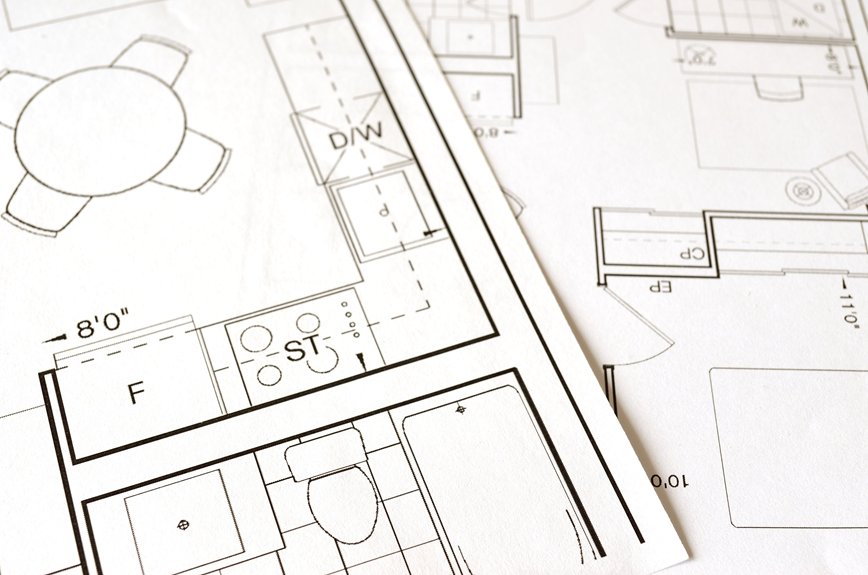
How to Take off Sanitaryware Accurately From Architects’ Plans

When carrying out sanitaryware take-offs from architects’ plans, a meticulous approach is essential. Begin by identifying all fixtures clearly, ensuring you have a comprehensive understanding of the layout. Utilise a scale ruler to measure each item accurately, as precision is key to preventing costly errors.

Verification of measurements against the plans is crucial. This will help to mitigate mistakes that could arise from misinterpretation. Familiarity with the symbols used in architectural documents is also vital. Recognising these indicators will facilitate a smoother process and enhance overall accuracy.

As you navigate this task, it’s worth noting that attention to detail is paramount. Thoroughly examining the plans will not only streamline your take-off process but also instil confidence in the final outcome.

By honing these skills, you can achieve precise sanitaryware take-offs that reflect the architects’ intentions accurately.

How to Take off Sanitaryware Accurately From Architects’ Plans Read Post »

mdpe vs hdpe costs

The Cost Difference Between MDPE and HDPE Water Mains

When considering water mains, you may question the cost differences between MDPE and HDPE. Each material has distinct advantages and challenges that can significantly influence your budget and long-term plans.

MDPE is generally more economical at the outset, making it an attractive option for initial investments. However, HDPE provides enhanced durability and lower maintenance expenses over time, which can lead to cost savings in the long run.

Understanding these trade-offs is essential, particularly if you are engaged in infrastructure projects. The choice between MDPE and HDPE will ultimately depend on your specific needs, project scope, and financial considerations.

Take the time to evaluate how these factors align with your objectives to make an informed decision on which material is most suitable for your water mains.

The Cost Difference Between MDPE and HDPE Water Mains Read Post »

Scroll to Top