
When managing plumbing projects, you may find yourself considering how to reduce costs without compromising on quality. Value engineering presents a strategic approach that enables you to assess materials and designs for enhanced efficiency. By concentrating on informed choices, such as selecting suitable plumbing materials and embracing innovative technologies, you can realise substantial savings.
So, what specific strategies should you contemplate to optimise value engineering in your projects? Understanding these strategies could revolutionise your approach to plumbing.
First, analyse your current systems. Investigate whether there are more efficient alternatives available that can deliver the same or improved performance. By utilising advanced plumbing technologies, such as low-flow fixtures and smart water systems, you can significantly reduce water consumption, leading to both cost savings and environmental benefits.
Next, consider the materials you are using. Choosing high-quality, durable materials can lead to long-term savings by minimising maintenance and replacement costs. Look for options that offer the best balance between cost and performance, ensuring that you do not sacrifice quality for price.
Collaboration with contractors and suppliers is also essential. Engaging in open discussions can lead to innovative solutions that may not have been previously considered. Their insights can help identify potential efficiencies within the project that you may have overlooked.
Finally, keep abreast of industry trends and regulations. Understanding new developments can provide opportunities to implement cost-effective solutions that align with current standards while enhancing the overall quality of your project.
By employing these strategies, you can maximise the benefits of value engineering in plumbing, ensuring that you maintain high standards while effectively managing costs.
Key Takeaways
- Implement streamlined plumbing designs to minimise pipe lengths and optimise layouts, enhancing flow and reducing installation time.
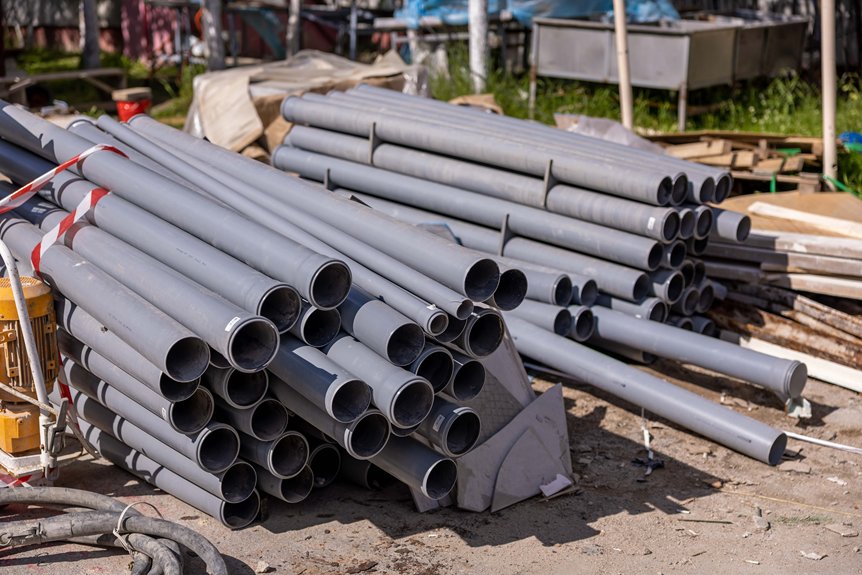
- Utilise materials such as PVC for low initial costs and considerable long-term savings, achieving a balance between budgetary constraints and sustainability needs.
- Incorporate modern technologies like smart sensors for leak detection and automated controls to lower utility expenses and improve overall efficiency.
- Foster collaboration with contractors and suppliers to enhance project alignment, ensuring a shared vision that supports high-quality outcomes.
- Invest in advanced training and education for plumbers to elevate workmanship and minimise the likelihood of errors, thereby maintaining quality standards.
Understanding Value Engineering in Plumbing Systems
When you think about plumbing systems, you mightn’t immediately consider the role of value engineering, but it’s a crucial element in optimizing efficiency and cost-effectiveness. Understanding this concept helps you see how cost analysis plays into the design and maintenance of plumbing systems. It’s about doing more with less, ensuring you get maximum performance without overspending.
Value engineering involves evaluating the system’s components and processes, determining what’s essential, and eliminating unnecessary costs. By analyzing each part of the plumbing system, you can find innovative solutions that maintain quality while reducing expenses.
In a community that values smart financial decisions, embracing value engineering helps everyone belong. You show that you care about sustainability and efficiency in plumbing, which benefits not just your wallet, but the environment as well.
Value Engineering: Choosing Cost-Effective Plumbing Materials
Selecting cost-effective plumbing materials is essential for both your budget and the environment. You want to choose materials that not only save you money now but also promote sustainability. Use lifecycle analysis to evaluate how materials perform over time and their impact on the planet.
| Material Type | Initial Cost | Long-Term Savings |
|---|---|---|
| PVC | Low | High |
| Copper | High | Moderate |
| PEX | Moderate | High |
These options show how investing wisely fosters a sense of community responsibility. By choosing sustainable materials, you contribute to a healthier environment for everyone. Remember, every decision counts; together, we can create more affordable, ecologically-friendly plumbing solutions. So, embrace these choices confidently, knowing you’re part of a movement that prioritizes both quality and sustainability considerations. Your plumbing project can reflect your values!
Streamlined Plumbing Designs for Enhanced Efficiency
Streamlining your plumbing design can significantly improve efficiency and reduce costs. By incorporating smart plumbing strategies, you can eliminate unnecessary complexities while ensuring optimal performance. Simple steps like minimizing pipe lengths and optimizing layouts boost flow and reduce material waste.
Design optimization is key here; it’s all about striking the right balance between functionality and cost. Think about your space and how plumbing runs through it. A well-planned design prevents bottlenecks and allows for quicker installation, translating to lower labor expenses.
Consider using pre-assembled components to minimize on-site work. Not only does this make the process smoother, but it also contributes to fewer errors and rework—a win-win.
Ultimately, when you streamline your plumbing, you create a dependable system that supports your needs without draining your wallet. Embrace these strategies, and you’ll feel the difference in both performance and costs.
Plumbing Technologies Enhancing Value Engineering
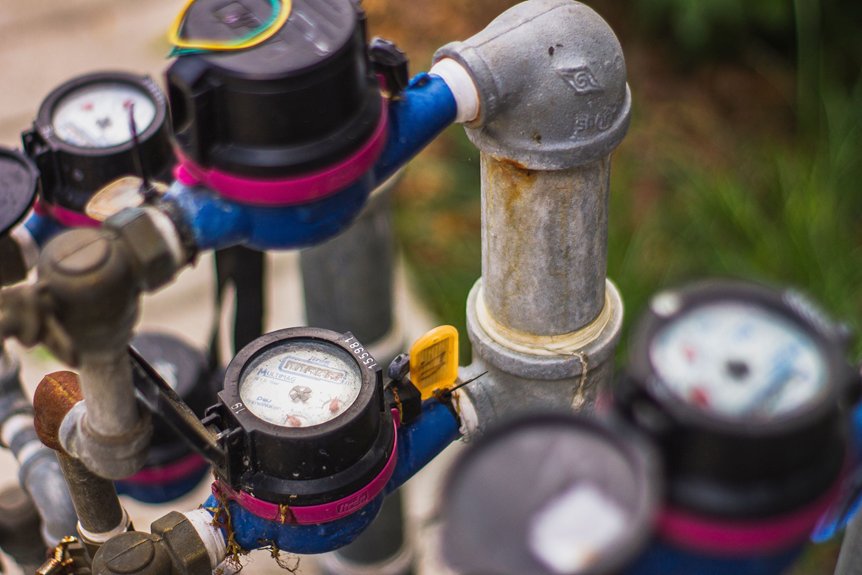
Integrating modern plumbing technologies can dramatically improve value engineering in your projects. Smart plumbing systems, equipped with sensors and automation, allow for real-time monitoring and can help you pinpoint issues before they escalate into costly repairs. Embracing future technologies not only boosts efficiency but also supports sustainable practices, contributing to your project’s overall value.
Here’s a quick overview of some impactful technologies:
| Technology | Benefits | Impact on Costs |
|---|---|---|
| Smart Sensors | Early leak detection | Reduces repair costs |
| Water Recycling | Lowers water expenses | Long-term savings |
| Automated Controls | Optimizes energy usage | Decreases utility bills |
| 3D Modeling | Improves design accuracy | Minimizes wasted materials |
| IoT Integration | Streamlines maintenance | Reduces manual labor |
Effective Collaboration With Contractors and Suppliers
Successful projects hinge on effective collaboration with contractors and suppliers. By fostering strong relationships, you can improve project alignment and ensure that everyone shares the same vision.
Here are three key strategies to consider:
- Encourage Open Contractor Communication: Plan regular check-ins that allow everyone to share design input and resolve conflicts quickly, keeping everyone on the same page.
- Build Strong Supplier Relationships: Engage suppliers early in the process to utilize their expertise and negotiate better deals. This can lead to significant savings without compromising quality.
- Implement Feedback Loops: Create systems where stakeholders can regularly provide input on project progress, making adjustments as necessary based on real-time feedback.
Key Benefits of Value Engineering in Plumbing Projects
When you embrace value engineering in plumbing projects, you reveal a range of benefits that can improve both efficiency and cost-effectiveness. One of the key advantages is cost optimization. By analyzing design and material choices, you can identify alternatives that lower expenses without compromising quality. This approach not only saves money but strengthens your project’s overall value.
Additionally, using performance metrics helps you track the success of your plumbing systems. You’ll gain insights into how well components perform over time, allowing for timely adjustments and refinements. This proactive mindset fosters a culture of continuous improvement within your team, creating a sense of belonging as everyone works together toward shared goals.
Ultimately, value engineering promotes smarter decision-making, enabling you to deliver high-quality plumbing projects while keeping costs in check. It’s all about working collaboratively to achieve the best outcomes for your clients and your business.
Successful Case Studies in Plumbing Value Engineering
When you look at successful plumbing projects, innovative material selection and streamlined installation techniques often stand out.
These strategies not only improve efficiency but also save costs without compromising quality.
Let’s explore some real-world examples that highlight these effective approaches.
Innovative Material Selection
Innovative material selection has transformed plumbing projects around the world, showcasing how strategic choices can improve both performance and cost-effectiveness.
By embracing eco-friendly materials and alternative piping, you can make a significant impact on both your budget and the environment.
Consider these examples:
- Cross-Linked Polyethylene (PEX): This flexible piping reduces labor costs and installation time, while being resistant to corrosion.
- Recycled PVC: Utilizing recycled materials not only lowers expenses but also supports sustainability efforts.
- Copper Alternatives: Options like CPVC can offer lower costs and greater resistance to scale buildup.
Streamlined Installation Techniques
Streamlined installation techniques have proven essential in enhancing the efficiency and effectiveness of plumbing projects. By employing prefabricated components and modular systems, you can reduce on-site labor and minimize errors. These strategies allow you to complete projects faster while maintaining quality and reducing costs. Here’s a look at some successful case studies that highlight these techniques:
| Technique | Benefits | Case Study Example |
|---|---|---|
| Prefabricated Components | Less waste, quicker assembly | High-rise residential |
| Modular Systems | Flexibility in design, faster turns | Commercial facility |
| Advanced Training | Improved skill sets, reduced mistakes | Local plumbing company |
| Efficient Layouts | Better use of space, quicker access | Renovation project |
These innovations help create a community of skilled plumbers dedicated to excellence.
Conclusion
Incorporating value engineering in plumbing can significantly reduce costs while simultaneously enhancing quality. By selecting cost-effective materials, streamlining designs, and adopting modern technologies, you can create efficient plumbing systems that benefit both your budget and the environment.
Effective collaboration with contractors and suppliers further enhances the success of your project. Embracing these strategies not only generates savings but also ensures the delivery of dependable plumbing solutions that fulfil your requirements without compromising on performance.
Prioritising value engineering in your next plumbing endeavour will lead to better outcomes for both your finances and the environment.