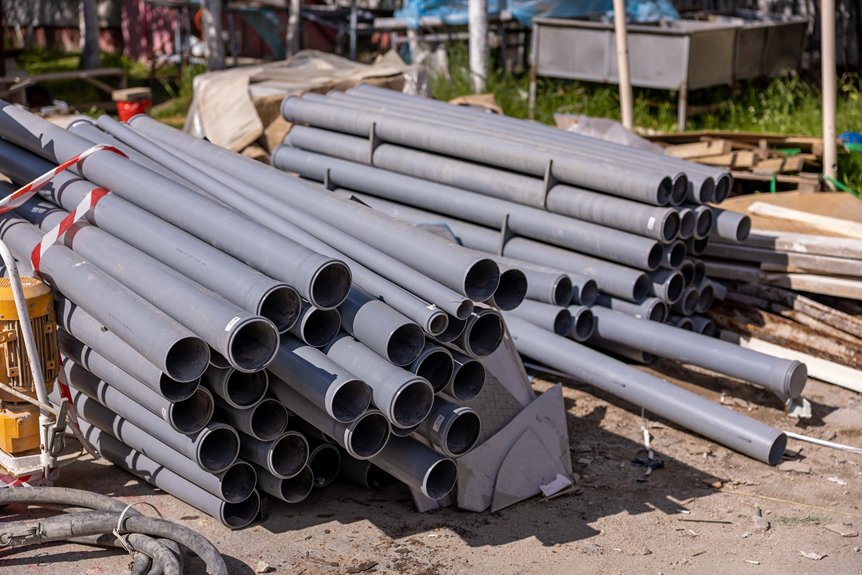

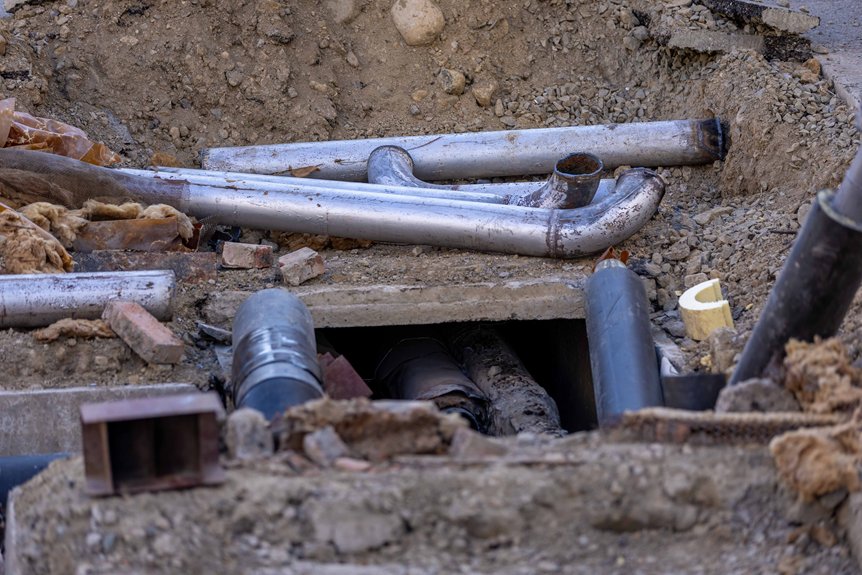
When estimating the costs of plastic pipework, it’s essential to consider your options between PEX and polybutylene.
PEX typically incurs higher upfront material costs. However, its straightforward installation process and robust durability can lead to significant long-term savings.
Conversely, while polybutylene may appear more economical at first glance, its susceptibility to damage can result in costly repairs over time.
Understanding these aspects will enable you to make a more informed decision for your plumbing project.
Which type of pipe is most suitable for your needs?
Key Takeaways
- Initial Material Expenses: PEX generally incurs a higher initial cost compared to polybutylene due to sourcing and material pricing factors.
- Installation Expenses: The installation of PEX is often less costly, as it requires fewer fittings and offers labour savings when compared with polybutylene.
- Long-Term Value: PEX provides enhanced durability and longevity, which can lower potential future repair expenses. In contrast, polybutylene is more susceptible to deterioration over time.
- Flexibility: PEX exhibits greater flexibility than polybutylene, facilitating easier installation in confined spaces and reducing the number of potential failure points.
- Heat Resistance: It is essential to consider the specific requirements of your project. In certain heat conditions, polybutylene may perform better than PEX, which could influence your choice of material.
What You Need to Know About PEX and Polybutylene
When considering plumbing options for your home, knowing the differences between PEX and polybutylene can save you time and money.
PEX, or cross-linked polyethylene, has several advantages that make it a popular choice. It’s flexible, resistant to scale and chlorine, and can handle extreme temperatures. Plus, PEX installations typically feature fewer connections, which means lower chances of leaks and easier maintenance.
On the flip side, polybutylene mightn’t be the best option for you. While it was widely used in the past, many homeowners face concerns due to its susceptibility to deteriorating when exposed to chlorine and hot water. This can lead to costly leaks and repairs down the line.
PEX vs. Polybutylene: Comparing Material Costs
When it comes to choosing between PEX and polybutylene, understanding the cost differences is crucial.
You’ll want to compare both material prices and installation costs, as these factors can greatly impact your budget.
Additionally, consider the long-term value each option brings to your plumbing system.
Material Price Comparison
While both PEX (cross-linked polyethylene) and Polybutylene have their own advantages, understanding their material costs can significantly impact your plumbing project budget.
You’ll want to consider various factors in your decision-making process:
- Material sourcing: Availability can affect pricing and lead times.
- Initial costs: PEX generally has a higher upfront cost than Polybutylene.
- Long-term value: PEX is known for its durability, potentially saving you money in the future.
- Price fluctuations: Market changes can lead to varying prices for both materials.
- Local regulations: Certain regions may favor one material over the other, impacting your options.
Installation Cost Differences
Understanding the installation cost differences between PEX and Polybutylene can lead to significant savings on your plumbing project.
PEX generally requires less labor because its installation techniques are simpler and faster. With fewer fittings and connectors, you’ll save both time and money compared to Polybutylene, where more complex labor requirements can increase installation costs.
PEX’s flexibility allows for easier routing through walls and tight spaces, making it a more convenient choice for many homeowners.
On the other hand, Polybutylene’s installation may demand skilled laborers who understand its nuances.
In the end, selecting the right material not only affects your budget but also brings you peace of mind knowing you made a smart investment in your home.
Long-Term Value Assessment
Assessing the long-term value of PEX and Polybutylene pipes can save you money over time. Understanding how these materials stack up against each other is vital for informed decisions.
- Longevity: PEX generally lasts longer than Polybutylene.
- Maintenance: PEX requires less upkeep, reducing costs in the long run.
- Flexibility: PEX is more adaptable to future trends in plumbing.
- Environmental Considerations: PEX is often seen as a more eco-friendly option due to its lower energy requirements.
- Installation Ease: Choosing a simpler material can lead to significant savings on labor costs.
Installation Costs Breakdown for PEX and Polybutylene
When considering the installation costs of PEX and polybutylene pipework, it’s important to break down several key factors.
First, think about the installation techniques. PEX is often easier to install, as it can be snaked through walls and requires fewer fittings. This can save you time and reduce installation costs.
On the other hand, polybutylene may need more specialized fittings and techniques, which can add to the overall expense.
Next, there are labor considerations. Since PEX installation is generally quicker, you might find lower labor costs.
But if you’re working with polybutylene, prepare for potentially higher labor fees due to the added complexity.
Long-Term Durability of PEX and Polybutylene Pipes
While both PEX and polybutylene pipes are popular choices for plumbing, their long-term durability varies significantly. You’ll want to consider several factors when choosing between them, especially regarding performance longevity and environmental impact.
- Resistance to corrosion: PEX resists rust and scaling, while polybutylene can degrade over time.
- Temperature tolerance: PEX handles extreme temperatures better, making it ideal for varying climates.
- Life expectancy: PEX generally lasts longer, often exceeding 50 years.
- Environmental considerations: PEX is less harmful to the environment and recyclable, unlike polybutylene, which raises concerns.
- Flexibility: PEX’s flexibility allows for easier installation and fewer joints, decreasing the risk of leaks.
These elements collectively influence your decision, ensuring you select pipes that not only fit your budget but also provide a reliable plumbing solution.
Embracing the right choice fosters peace of mind for you and your home.
How Lifespan and Maintenance Affect Pipe Selection
Choosing the right pipes for your plumbing system hinges not only on initial costs but also on their lifespan and the maintenance they require.
When you consider a lifespan comparison, PEX often outlasts polybutylene, making it a popular choice for homeowners who want something durable. PEX can last up to 50 years with minimal maintenance, while polybutylene might need more frequent repairs as it ages.
Think about what kind of maintenance requirements you’re willing to manage. PEX requires little attention, and its flexibility can prevent cracks—ideal for those busy lifestyles.
Polybutylene, on the other hand, is more prone to issues, leading to potential surprises down the line.
Ultimately, investing in pipes with longer lifespans and lower maintenance needs can save you time and money.
Your plumbing system should support your home, so choose wisely to foster comfort and peace of mind in your living space.
Pros and Cons: Real-World Insights on PEX and Polybutylene
Understanding the strengths and weaknesses of both PEX and polybutylene can guide your decision-making process. Each material has unique durability factors and plumbing implications that you should consider before making a choice.
- PEX: Highly flexible and resistant to freezing, making installation easier.
- Polybutylene: Generally less expensive but known for potential degradation over time.
- PEX: Doesn’t corrode or scale, ensuring clean water flow.
- Polybutylene: Can leach chemicals into water if it breaks down, raising health concerns.
- PEX: Compatible with various fittings and systems, enhancing versatility.
While PEX offers more reliability and flexibility, polybutylene might fit your budget better.
Weigh these pros and cons carefully, considering how each option aligns with your plumbing needs and longevity expectations.
Your choice will influence not just the installation process, but also long-term maintenance and performance.
Which Pipe Should You Choose for Your Plumbing Project?
When deciding which pipe to use for your plumbing project, consider factors like budget, installation ease, and long-term performance.
PEX and polybutylene both offer unique advantages. If you’re looking for pipe flexibility, PEX is a top choice. It bends easily around corners, minimizing the need for extra fittings. This can save you time and installation costs.
On the other hand, polybutylene is known for its thermal resistance, making it suitable for hot water applications. However, it can be less flexible, which might lead to more fittings and joints in your setup.
Ultimately, think about your project’s specific needs. If you want a straightforward installation and a reliable, flexible system, PEX might be the way to go.
If you’re focused on handling heat effectively, polybutylene could be your answer. Whichever you choose, you’ll be part of a community that values smart plumbing solutions.
Conclusion
When selecting between PEX and polybutylene for your plumbing project, it is essential to consider both initial costs and long-term advantages. While PEX may involve a higher initial outlay, its durability and ease of installation can ultimately save you money on repairs over time. In contrast, polybutylene might appear more affordable initially, but its susceptibility to damage may result in costly problems in the future.
Ultimately, assess your specific requirements, budget constraints, and maintenance expectations to ensure you make an informed choice for your home.