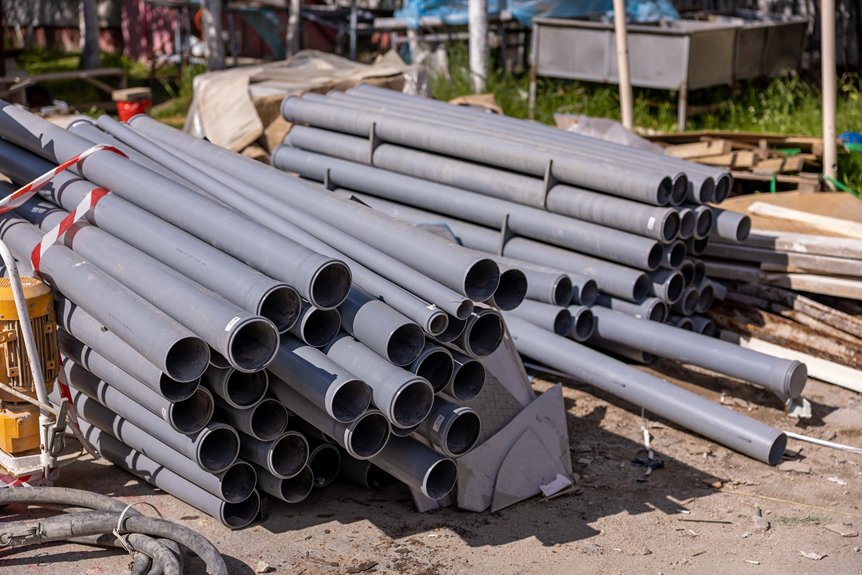


When selecting between cast iron and PVC soil pipes, it’s crucial to grasp the associated costs. Cast iron pipes are known for their exceptional durability, but they typically come with a higher initial cost. On the other hand, PVC pipes are more economical from the outset, making them an attractive option for many projects.
However, it’s important to consider the long-term maintenance requirements as they can significantly influence the overall cost of your choice. The longevity and performance of each material can vary, leading to potential differences in future expenses.
Choosing the right pipe material involves careful consideration of these factors. The decision is not always straightforward, so it’s wise to explore all aspects thoroughly before making your final selection. Understanding the advantages and disadvantages of each type of piping will help ensure that you make the most informed choice for your needs.
Key Takeaways
Cast iron pipes typically cost significantly more per foot compared to PVC options, which are much more affordable.
While the initial installation of cast iron piping is costlier, its durability can make it a more economical choice over time. In contrast, PVC pipes are lighter and easier to install, but they may lead to increased repair expenses in the future.
Labour costs associated with cast iron installation tend to be higher due to the material’s weight and the need for specialised handling techniques. Additionally, cast iron generally requires less frequent maintenance when compared to PVC, which can positively influence the overall lifecycle costs and reliability of the piping system.
In summary, when considering materials for soil pipes, both cast iron and PVC have their advantages and drawbacks in terms of initial costs, installation, maintenance, and long-term reliability. Proper evaluation of these factors can help determine the best choice for your specific needs.
Comparing Cast Iron and PVC Soil Pipes: Which Is Better?
When deciding between cast iron and PVC soil pipes, you might wonder which option suits your needs better. Each material offers distinct advantages, and understanding these can help you feel more confident in your choice.
Cast iron pipes provide durability and a lower sustainability impact, lasting many years with minimal maintenance. However, they can be heavy and require more complex installation techniques.
On the other hand, PVC pipes are lightweight and easier to install, making them a popular choice for DIY enthusiasts. Their sustainability impact is less favorable compared to cast iron, as they’re made from petroleum-based materials.
The right choice ultimately depends on your priorities—are you prioritizing longevity and sustainability, or convenience and ease of installation? Consider how each option aligns with your values and which installation techniques you’re comfortable using.
You’ll feel a sense of belonging in your decision, knowing it fits your specific needs.
Material Types and Usage of Soil Pipes
Soil pipes come in various materials, each designed for specific applications. You’ll typically find pipe materials like cast iron and PVC being used for soil drainage systems.
Cast iron is known for its durability and sound-dampening qualities, making it ideal for multi-story buildings. On the other hand, PVC pipes are lightweight, corrosion-resistant, and easy to handle, which is perfect for residential installations.
When selecting the right material, consider the installation guidelines to ensure optimal performance. For instance, while cast iron requires special attention due to its weight, PVC’s flexibility allows for quicker installation with fewer labor costs.
Understanding the differences in pipe materials will help you make a more informed decision. Whether you’re a DIY enthusiast or working with a professional, knowing the unique properties of each option fosters a sense of belonging to a community that values smart construction choices.
Comparing Costs: Cast Iron vs. PVC
When considering cast iron and PVC soil pipes, it’s essential to look at the cost differences.
You’ll find that material prices vary significantly, which can affect your overall budget.
Additionally, don’t overlook the labor installation expenses, as they can really impact your total project costs.
Material Cost Differences
Choosing the right piping material can significantly impact your project’s budget, and understanding the cost differences between cast iron and PVC pipes is essential. Cast iron tends to be more expensive upfront, but it offers durability and longevity. On the other hand, PVC is typically cheaper and lighter, making it easier to handle during installation. Here are some key cost comparison points to consider:
| Material | Average Cost per Foot |
|---|---|
| Cast Iron | $8 – $15 |
| PVC | $0.50 – $3 |
When making your choice, keep in mind the weight differences and how they might affect your installation tips. Selecting the right material now could save you trouble—and money—later on.
Labor Installation Expenses
While evaluating the costs associated with installing cast iron and PVC pipes, you’ll find that labor expenses can vary significantly.
Here’s a breakdown of what to consider regarding installation techniques and labor rates:
- Experience Level: Skilled workers may charge higher rates but are more efficient, reducing overall time.
- Installation Techniques: PVC typically uses simpler techniques, which can speed up the process, while cast iron requires precise handling and more time.
- Project Size: Larger projects naturally demand more labor, impacting costs.
- Local Market: Labor rates differ by region, making it essential to know your area’s prevailing rates.
Understanding these factors will help you make an informed decision when choosing between cast iron and PVC pipes for your next project.
What to Know About Installing Soil Pipes?
Installing soil pipes requires careful planning and consideration to ensure a successful setup. Before embarking on your project, familiarize yourself with soil pipe regulations in your area, as these rules help maintain safety and efficiency.
Start by gathering the right materials and tools—joining a community or seeking advice from experienced installers can make a difference.
When you’re ready, remember these installation tips: always measure and cut accurately, ensuring your pipes slope appropriately for drainage. Secure all joints tightly to prevent leaks, and consider using protective measures to avoid damage.
As you install, keep safety in mind—wear protective gear and work with a buddy if possible. Engaging with those around you can’t only improve your skills but also encourage a greater sense of belonging within your local building community.
A solid installation today can pave the way for the efficient plumbing systems of tomorrow!
Performance and Longevity of Soil Pipes
When choosing soil pipes, you’ll want to consider how well they hold up under pressure and resist corrosion.
Cast iron pipes are known for their durability, while PVC offers impressive resistance to chemical damage.
Understanding these factors can help you select the right option for long-term performance.
Durability Under Pressure
Durability is a key factor when choosing between cast iron and PVC soil pipes, especially in terms of performance and longevity.
When considering pressure tolerance and pipe flexibility, here’s what you should know:
- Cast Iron: Known for its strength, it handles high-pressure situations but lacks some flexibility, making it prone to cracking under extreme stress.
- PVC: Offers excellent flexibility, allowing it to bend without breaking under pressure, making it ideal for shifting ground conditions.
- Longevity: Cast iron can last over 50 years with proper care, while PVC typically holds up well for 25-40 years.
- Installation: PVC is usually lighter and easier to install, contributing to quicker project timelines.
Choosing the right material means aligning with your needs and ensuring lasting durability for your plumbing system.
Resistance To Corrosion
While both cast iron and PVC soil pipes serve crucial functions in plumbing systems, their resistance to corrosion significantly impacts their performance and longevity.
Cast iron pipes are prone to rust over time, especially in damp conditions, making them vulnerable to corrosion factors like soil acidity and moisture. This can shorten their lifespan and lead to costly repairs.
On the other hand, PVC pipes resist corrosion remarkably well, which means they can endure harsher environmental impacts without deteriorating. This durability helps maintain your plumbing system’s integrity for years.
When choosing between these two materials, consider how each performs against corrosion, as it directly affects your investment and the well-being of your home’s plumbing.
How Cast Iron Reduces Noise
Many people don’t realize that cast iron pipes are exceptionally effective at reducing noise in plumbing systems.
If you’re looking for sound dampening, cast iron might be your best bet. Here’s how it provides impressive noise reduction:
- Mass and Density: The heavy weight of cast iron absorbs sound better than lighter materials.
- Thick Walls: Its thick walls prevent vibrations from transmitting, keeping your home quiet.
- Resonance Dampening: Cast iron minimizes echoes and prevents sound waves from amplifying within the pipes.
- Structural Integrity: The rigidity of cast iron pipes means less movement, further reducing noise transmission.
Long-Term Maintenance: Cast Iron or PVC?
When it comes to long-term maintenance, choosing between cast iron and PVC pipes can significantly impact your plumbing system’s performance. Cast iron pipes typically require less frequent maintenance, thanks to their durability and resistance to wear.
However, if repairs are needed, they can be more challenging due to their weight and the need for specialized tools.
On the other hand, PVC pipes are lightweight and easy to work with, which may lead to lower repair costs. But you should consider their susceptibility to cracks and joint issues, especially in extreme temperatures.
The maintenance frequency for PVC might be higher compared to cast iron, as you may need to inspect and replace parts more often.
Ultimately, your choice should reflect your maintenance preferences and budget. Taking repair considerations into account can help ensure you have a reliable plumbing system that fits your lifestyle and keeps everything running smoothly.
Conclusion
When deciding between cast iron and PVC soil pipes, it’s essential to weigh both initial costs and future implications. Although PVC may appear more economical at the outset, it can result in increased repair expenses over time.
Cast iron, while more expensive initially, is renowned for its durability and lower maintenance requirements, making it an attractive long-term investment.
Your choice should reflect your budget, installation specifics, and the longevity you envision for the system. Investing in high-quality materials now can lead to significant savings and reduced hassle in the future.
Consider the various advantages and disadvantages of each material to ensure that your decision aligns with your needs and preferences.