
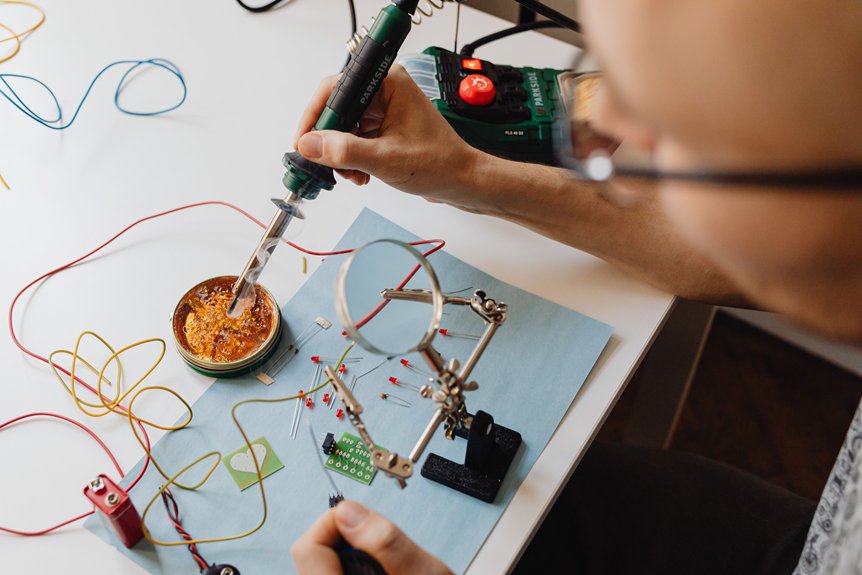
When working on a project, accurately estimating the right amounts of solder, flux, and fixings is essential for staying within budget and ensuring quality. It’s not simply a matter of picking up what is readily available; you must consider factors such as the size and type of joints involved. By refining your estimation skills, you can minimise waste and achieve superior results.
So, how can you begin making those precise estimates?
Firstly, understand the materials you are working with. Familiarise yourself with different types of solder, flux, and fixings suitable for specific applications. Each material has its properties that can affect performance and efficacy.
Next, assess the project requirements. Evaluate the nature of the joints—are they large or small, continuous or spot? This will influence the quantities you’ll need.
It is also important to factor in environmental considerations. For instance, temperature and humidity can impact your choice of flux and solder.
Common pitfalls to avoid include overestimating or underestimating the amounts needed. Overestimation can lead to excess inventory and increased costs, while underestimation may result in delays and compromised quality.
By applying these effective methods, you can enhance your estimation accuracy, contributing to a more efficient workflow and successful project outcomes.
Keep honing your skills, and you’ll find that achieving precision in your estimates becomes an integral part of your project management strategy.
Key Takeaways
Estimating Consumables: Solder, Flux, and Fixings Allowances
- Assess the project size and joint dimensions to accurately determine the necessary quantities of solder and flux.
- Select suitable solder and flux types based on the project’s specific application techniques and prevailing environmental conditions.
- Employ precision tools for the application of flux to minimise waste and ensure optimal bonding for effective soldering.
- Continuously review and enhance your estimation process based on previous project experiences to improve accuracy in future undertakings.
- Be mindful of external factors, such as temperature and application methods, as these can significantly influence the rates of solder and flux consumption.
Essential Tips for Estimating Solder, Flux, and Fixings
When estimating solder, flux, and fixings, it’s essential to be precise and efficient in your calculations. You’ll find that understanding different solder types makes a huge difference. Each type comes with its advantages and costs, so it’s crucial to analyze your project’s specific needs.
Start by considering factors like the materials you’re working with and the environment in which they’ll be used. This way, you’ll choose the right solder, which directly impacts your overall budget.
Don’t forget about flux, either—it supports the soldering process while ensuring strong joints. Factor in the amount needed for your work to prevent overstocking or running short.
Conducting a thorough cost analysis ensures you’re making smart purchases without sacrificing quality. This approach not only builds confidence in your estimates but also fosters camaraderie among your team, as everyone works towards a common goal of success.
How to Accurately Estimate Solder Needs?
How can you ensure you have just the right amount of solder for your project? Accurate estimation is vital for avoiding waste and achieving high solder quality.
Here are some tips to help you get it right:
- Assess your project size: Bigger projects need more solder, so take measurements seriously.
- Choose the right solder type: Different jobs require different types; make sure you match the solder to your specific application techniques.
- Practice your skills: Improving your soldering technique can lead to more precise use, ensuring you’re not overusing materials.
Next: How to Estimate Flux Requirements Effectively?
Determining the right amount of flux for your soldering project can seem challenging, but getting it right is essential for a successful bond. Understanding different flux types is key. For instance, there are rosin-based, water-soluble, and no-clean fluxes, each serving specific needs.
Start by assessing your project’s requirements—some materials may need more flux than others to ensure optimal adhesion.
For flux application, a little goes a long way. You’ll want to apply just enough to cover the surfaces without excess pooling, which can lead to mess and complications.
Use a flux pen, brush, or syringe for precision, depending on the scale of your project.
As you work, remember to evaluate your results. You’ll naturally get better at estimating as you gain experience.
Connecting with fellow soldering enthusiasts can also help you refine your techniques and grow your confidence in determining those necessary flux amounts.
Common Errors When Estimating Consumables
Estimating consumables accurately can make or break your soldering project. One common error many of you might encounter is solder overestimation. When you assume you need more solder than necessary, you not only waste resources but also impact your budget.
Another frequent misstep is flux underutilization. If you’re not using enough flux, you may face poor solder joints and additional rework later.
Here are a few key points to remember:
- Avoid overestimating solder; stick to your calculated needs.
- Don’t skimp on flux—it’s vital for clean joints.
- Always double-check your estimates for accuracy.
Factors That Influence Solder and Flux Estimates
While you’re planning your soldering project, several factors can significantly influence your estimates for solder and flux. Understanding solder properties and flux types can make a big difference in your calculations. Here’s a breakdown of key factors:
| Factor | Impact |
|---|---|
| Solder Alloy | Different alloys have varying melting points, affecting usage. |
| Joint Size | Larger joints typically require more solder. |
| Flux Type | Different flux types can change the amount needed for effective soldering. |
| Temperature Conditions | High temperatures may cause increased solder consumption. |
| Application Technique | Your method (wave, hand, or reflow) influences how much solder is used. |
Conclusion
Accurate estimation of solder, flux, and fixings is essential for successful projects and effective cost management. By understanding your specific requirements and utilising precise tools, you can minimise waste and enhance the quality of your soldering work.
Regularly assessing your techniques will allow you to hone your estimation skills and avoid common pitfalls. Taking the time to perform detailed calculations today can lead to significant savings in both money and effort in the future, ensuring each project proceeds smoothly and efficiently.
In the UK, the demand for high-quality soldering materials continues to rise. Therefore, maintaining a well-organised inventory of consumables and consistently reviewing your usage will further aid in optimising your resources. By being diligent about these practices, you can improve productivity and deliver superior results in your soldering projects.