
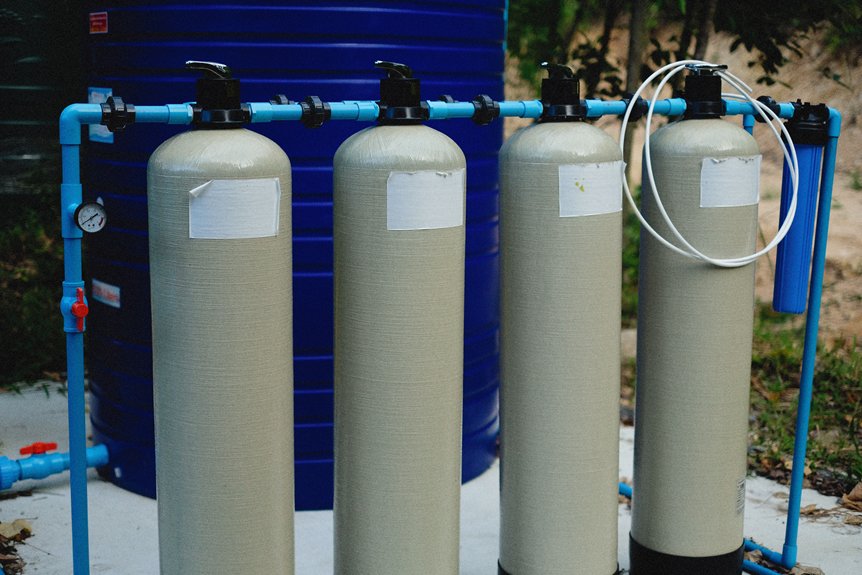
When tasked with costing water softeners and filtration systems for tenders in the UK, it is essential to consider both upfront and ongoing expenses with care. Defining your requirements early is vital to prevent overspending on features that may not be necessary. Engaging stakeholders can provide valuable insights, ensuring that the chosen systems genuinely align with the needs of the community.
In addition to these primary considerations, there are several other factors to assess in order to make a comprehensive and informed decision. Understanding the intricacies of water softeners and filtration systems can highlight significant opportunities for cost savings.
By examining the long-term maintenance costs, energy efficiency, and the potential for improved water quality, you can identify systems that offer both immediate and enduring value. Ultimately, a thoughtful approach to selection will contribute to achieving optimal performance while remaining budget-conscious.
Key Takeaways
- Evaluate lifecycle costs, including installation, maintenance, and operational expenses, beyond the initial purchase price when considering water softeners and filtration systems. A comprehensive understanding of these costs can assist in making informed decisions that benefit both budgets and functionality.
- Clearly define specific requirements and prioritise essential features to ensure tenders accurately reflect actual needs. This approach promotes cost-effectiveness and enhances the chances of successful project delivery.
- Engage a variety of stakeholders early in the tender process to gather valuable insights and foster shared ownership of the water system selection. Collaboration can lead to more effective solutions that meet the needs of all parties involved.
- Conduct thorough analyses of supplier credentials, focusing on their experience and certifications. This diligence ensures compliance and reliability, which are crucial for maintaining performance and minimising long-term expenses.
- Consider the economic advantages of improved water quality, such as lower utility bills and reduced maintenance costs for appliances, when planning budgets for these systems. The long-term benefits can significantly outweigh initial investments, leading to substantial savings over time.
The Importance of Water Quality in Tenders
When it comes to water softeners and filtration systems, water quality plays a crucial role in the tendering process. You need to properly assess your water source and its quality standards to ensure the systems you consider will meet your needs.
When evaluating a tender, you should always prioritize the quality of water being treated. If your water contains high mineral levels, a reliable water softener is essential for maintaining the quality everyone deserves.
Understanding the impact of your local water source on system performance isn’t just technical—it’s about creating a welcoming environment for your community. By focusing on quality, you’re not only securing a healthier water supply, but also fostering a connection among those who rely on it.
Assessing Supplier Credentials in Water Softener Tenders
Selecting a reliable supplier for water softener tenders is essential to ensure you’re getting the best system for your needs. During the tender evaluation process, you should focus on key supplier qualifications to make informed choices. Here’s a quick guide to help you assess their credentials:
| Criteria | Importance |
|---|---|
| Experience | A supplier with years in the field understands diverse needs. |
| Certifications | Look for industry-standard certifications ensuring quality and compliance. |
| Customer Reviews | Positive feedback from previous clients can attest to their reliability. |
Optimizing Tender Specifications for Cost Efficiency
When you’re optimizing tender specifications, it’s crucial to define clear requirements that align with your needs.
Evaluating lifecycle costs can help you make informed financial decisions, ensuring you’re not just focused on the initial purchase price.
Don’t forget to leverage supplier expertise; their insights can guide you toward the most cost-effective and efficient solutions for your water quality needs.
Defining Clear Requirements
To ensure you get the best value from your investment in water softeners and filtration systems, it’s crucial to define clear requirements right from the start. Focus on requirement prioritization by identifying essential features that meet your unique needs. Engage in stakeholder collaboration to gather insights and foster a sense of ownership among all parties involved.
| Requirement Type | Priority Level | Comments |
|---|---|---|
| Performance Metrics | High | Must meet standards |
| Maintenance Requirements | Medium | Regular check-ups |
| Replacement Parts | Low | Easily accessible |
| Installation Support | High | Training needed on-site |
Evaluating Lifecycle Costs
Once you’ve defined your requirements, the next step is evaluating lifecycle costs to ensure your water softeners and filtration systems are cost-efficient over time.
By conducting a lifecycle analysis, you’ll better understand the total cost associated with your options. Don’t just look at initial purchase prices; consider maintenance, energy usage, and replacement costs. Gathering data on these factors helps you see the long-term impact of your choice.
Additionally, evaluating factors like energy efficiency can save you money in the future. When you optimize your tender specifications with these considerations, you foster a sense of community among decision-makers committed to sustainability and cost-effectiveness.
Ultimately, a thorough lifecycle cost evaluation leads to smarter, more informed choices that benefit everyone involved.
Leveraging Supplier Expertise
While you may have a clear vision for your water softeners and filtration systems, leveraging supplier expertise can significantly elevate your tender specifications for cost efficiency. By engaging in supplier collaboration and seeking expert consultation, you can ensure that your needs align with industry best practices. Here’s a quick overview of strategies to consider:
| Strategy | Benefits | Cost Impact |
|---|---|---|
| Collaborative Planning | Tailored solutions | Reduced wastage |
| Regular Feedback Loops | Continuous improvement | Lower lifecycle costs |
| Market Insight Sharing | Better product choices | Competitive pricing |
| Technical Support | Improved system efficiency | Operational savings |
| Joint Innovation | Innovative solutions | Long-term value |
Fostering these connections can lead to better outcomes, both in quality and cost.
Key Factors Influencing Water Softener Costs
When considering water softeners, several key factors can impact your overall costs.
You’ll want to think about the system type you choose, the installation requirements, and how much maintenance it will need over time.
Each of these elements plays a big role in determining your final investment.
System Type Selection
Choosing the right type of water softener is crucial, as it can significantly influence your overall costs. You’ll want to think about how system performance matches your water quality needs.
Different systems, like ion-exchange or salt-free options, can have varying costs that affect not just your budget but also your everyday user experience.
For instance, while ion-exchange systems may require more maintenance and salt, they often provide better results in hard water areas.
On the other hand, salt-free systems offer convenience but may not soften water as effectively.
Installation Requirements
After selecting the right water softener, installation requirements become a key factor that can impact overall costs significantly.
You’ll want to consider a few important aspects:
- Space Availability: Do you have ample space for the unit and its plumbing connections?
- System Compatibility: Is your current plumbing system compatible with the new water softener?
- Installation Challenges: Are there any obstacles, like existing fixtures or walls, that may complicate the installation?
- Professional Help: Will you need to hire a professional, or can you handle it yourself?
Maintenance Needs
Maintaining your water softener is crucial for ensuring its efficiency and longevity, and it’s a key factor that can affect overall costs.
Regular routine checks and adhering to service schedules help you catch problems early, reducing potential repair costs. Familiarizing yourself with troubleshooting techniques can save you time and money, while keeping a close eye on filter replacements ensures optimal performance monitoring.
Understanding your usage patterns also aids in planning preventative measures, extending your equipment lifespan. Training your technicians properly can improve their capabilities in maintenance, which also contributes to long-term savings.
How to Choose Between Water Filtration Technologies
When it comes to selecting the right water filtration technology for your needs, a few critical factors come into play. You want to ensure you’re choosing a system that matches your specific requirements while maintaining optimal water quality.
Consider the following when making your decision:
- Contaminants: Identify what impurities are in your water and select a technology that effectively targets those specific issues.
- Flow Rate: Determine how much filtered water you need at any given time, ensuring the system can keep up with your household demands.
- Space: Consider the physical space available for installing the filtration system, as some technologies require more room than others.
- Cost: Look beyond the initial price; assess the long-term value and maintenance costs associated with the filtration technologies.
Understanding Installation and Maintenance Costs
Understanding the costs associated with installing and maintaining water softeners and filtration systems is crucial for making an informed decision.
When you consider installation, be prepared for potential challenges. Factors like plumbing layout and the space available can influence costs, so it’s wise to assess your home before proceeding.
As for maintenance frequency, routine care is essential for optimal performance. Standard maintenance might include replacing filters or checking salt levels, which can impact your overall budget.
Regular servicing helps avoid bigger repair costs down the line, fostering a sense of reliability within your home.
Budgeting for Long-Term Savings in Water Quality Solutions
Although upfront costs for water softeners and filtration systems can seem challenging, budgeting for long-term savings is essential for enhancing your water quality solutions.
By viewing these systems as long-term investments, you can break free from budget constraints while reaping the rewards.
Here are four key areas to focus on:
- Reduced Energy Costs: Softer water requires less energy for heating, leading to lower utility bills.
- Extended Appliance Life: Clean water helps appliances last longer, saving money on replacements.
- Fewer Repair Expenses: Quality filtration reduces wear and tear on plumbing, decreasing repair costs.
- Health Benefits: Improved water quality can lead to better health, potentially lowering medical expenses over time.
Conclusion
In conclusion, a thorough evaluation of water softeners and filtration systems in UK tenders can significantly enhance water quality and yield long-term financial benefits. By understanding the associated costs, involving relevant stakeholders, and establishing clear requirements, informed choices can be made that cater to community needs.
It is essential to consider both initial outlays and ongoing lifecycle expenses, which encompass maintenance and energy efficiency. This approach ensures that sustainable solutions are adopted.
Focus on prioritising the most critical elements of your project to maximise your investment. By doing so, you can promote healthier water for all.