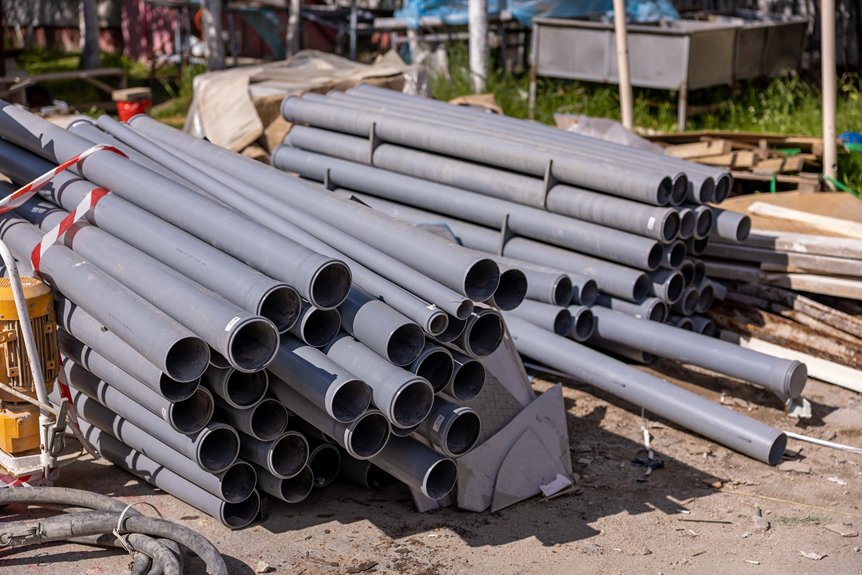

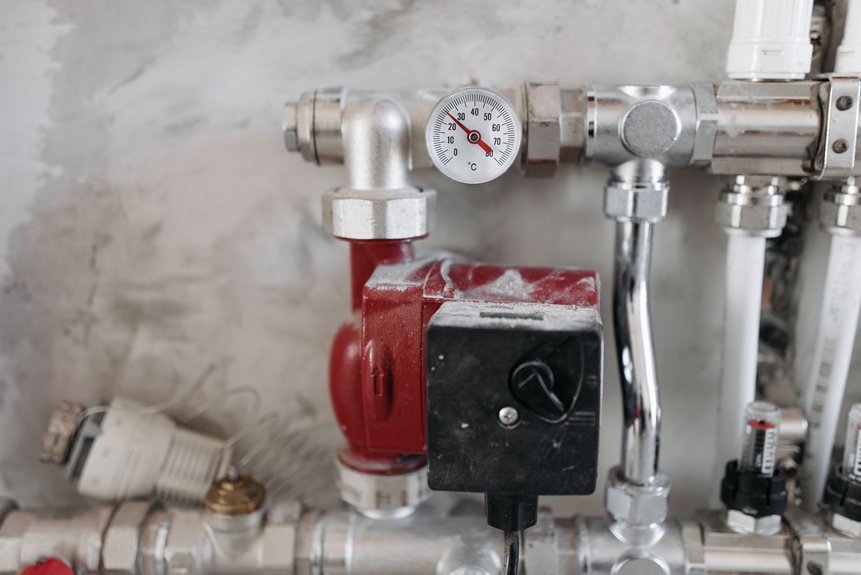
When estimating underfloor heating, it is essential to concentrate on key components such as pipework, manifolds, and controls to ensure efficient operation. Selecting the appropriate pipe material and diameter is crucial for optimal heat distribution, while well-designed manifolds facilitate effective circulation of heated water throughout the system. Furthermore, advanced controls can enhance convenience and energy efficiency, making your heating system more user-friendly.
It’s important to grasp these considerations thoroughly. Additionally, be aware of common installation pitfalls that may compromise the overall effectiveness of your underfloor heating system. By paying attention to these details, you can achieve a comfortable and efficient heating solution tailored to your space.
Key Takeaways
- Determine the suitable pipe diameter and material, such as PEX or copper, to guarantee optimal flow and longevity in the underfloor heating system.
- Assess the layout design and pipe spacing to ensure consistent heat distribution throughout the entire floor area.
- Choose a suitable manifold type that meets your heating requirements, guaranteeing flexibility in flow adjustments.
- Select a user-friendly control system, incorporating programmable or smart thermostats, to enhance convenience and energy efficiency.
- Ensure all installations comply with local building regulations to avoid penalties and promote safety and efficiency.
Understand the Basics of Underfloor Heating
Underfloor heating (UFH) is an efficient way to heat your home by warming the floor surface rather than relying solely on traditional radiators. This system offers significant benefits, such as distributing heat evenly while improving your comfort.
You’ll notice that your living space feels cozier, all while being more energy-efficient.
However, it’s essential to recognize the installation challenges that come with UFH systems. You may need to factor in the type of flooring you have and any renovations required to set up the heating pipes or mats.
It’s also wise to consult with professionals to ensure everything’s installed correctly, as improper installation can lead to inefficiencies.
Identify Key Components of Underfloor Heating
Understanding the key components of underfloor heating is crucial for effective installation and maintenance.
You’ll want to focus on essential pipework specifications, manifold functionality, and control systems overview.
Essential Pipework Specifications
When planning an underfloor heating system, knowing the essential pipework specifications is crucial for achieving optimal performance. You’ll want to focus on aspects like pipe sizing and the right installation materials to ensure efficiency and comfort in your space.
Here are some key components to keep in mind:
- Pipe Material: Choose between PEX or copper, depending on your needs.
- Pipe Diameter: Ensure proper sizing to avoid flow issues.
- Insulation: Invest in good insulation to minimize heat loss.
- Fittings and Connectors: Use high-quality fittings for reliability.
- Layout: Design an effective layout that distributes heat evenly.
Manifold Functionality Explained
A manifold acts as the heart of your underfloor heating system, playing a vital role in efficient heat distribution. It allows you to connect multiple pipes to evenly disperse warmth throughout your space. There are various manifold types, each catering to different heating needs and layouts, so you’ll want to choose wisely.
Moreover, managing flow rates is crucial for maintaining a comfortable temperature. By adjusting the flow in each loop, you can ensure every room in your home feels just right.
This flexibility not only improves comfort but also boosts energy efficiency, helping you feel more connected to your home’s ambiance. With the right manifold and flow setup, you and your loved ones can truly enjoy the cozy benefits of underfloor heating.
Control Systems Overview
After setting up your manifold, it’s time to consider how you’ll control your underfloor heating system. Understanding the key components of control systems is crucial for achieving optimal comfort in your home.
Here are some essential elements to think about:
- Control system types: Programmable, Wi-Fi-enabled, or manual thermostats
- Sensor placements: Strategically position sensors for accurate temperature readings
- Zoning options: Customize heating in different rooms for personal comfort
- User interfaces: Choose simple controls that fit your lifestyle
- Integration with other systems: Ensure compatibility with smart home technology
Utilize Effective Control Systems for Heating
When it comes to underfloor heating, effective control systems can make all the difference.
By using smart thermostats, you can enjoy precise temperature control and energy savings.
Additionally, implementing zone control allows you to heat specific areas of your home efficiently, ensuring comfort where you need it most.
Smart Thermostat Advantages
Smart thermostats offer several advantages that can improve the efficiency of your underfloor heating system.
By embracing smart thermostat integration, you tap into energy efficiency like never before. Here’s how they benefit you:
- Precise Temperature Control: Enjoy customized comfort in every room.
- Remote Access: Control your heating from anywhere with your smartphone.
- Energy Monitoring: Track your energy usage and identify savings opportunities.
- Learning Capabilities: These devices adapt to your routines, optimizing settings automatically.
- Geofencing Technology: They adjust temperatures based on your location, saving energy when you’re away.
Zone Control Efficiency
Effective zone control systems can significantly elevate your underfloor heating efficiency. By utilizing the right strategies, you can optimize each zone for comfort and energy savings, keeping your home cozy while reducing costs. Let’s look at essential components that bolster zone efficiency:
| Component | Optimization Strategy |
|---|---|
| Thermostats | Use programmable models |
| Zoning Valves | Implement smart valves |
| Sensors | Install temperature sensors |
| Control Systems | Invest in a central hub |
These optimization strategies create a seamless environment in your home. When each zone is managed effectively, you’ll notice a more balanced temperature while boosting your system’s overall performance. Embrace these choices, and you’ll not only feel warm but also part of a community that values energy efficiency!
Calculating Pipework for Underfloor Heating
To ensure your underfloor heating system functions efficiently, calculating the pipework properly is crucial. You’ll want to consider several factors to achieve optimal heat output while maintaining comfort in your space.
Here’s a handy list to guide you:
- Pipe diameter: Select the right size to manage the flow rate effectively.
- Flow rate: Ensure the water volume moving through the pipes distributes heat evenly.
- Insulation materials: Choose materials with high thermal conductivity to minimize heat loss.
- Layout design: Plan the configuration to maximize warmth in all areas.
- Installation techniques: Use best practices to ensure durability and efficient operation.
Select Suitable Manifolds for Your Underfloor Heating System
Choosing the right manifold is essential for the efficiency and performance of your underfloor heating system. You’ll want to consider various manifold types, including integrated and separate units, to find what works best for your setup. Integrated manifolds can save space, while separate units offer flexibility for different zones in your home.
Manifold sizing is another critical factor. Ensure you calculate the required flow rate accurately to match your heating needs. A correctly sized manifold distributes water evenly, preventing any cold spots and maximizing comfort.
Also, think about your system’s compatibility with various flow meters and actuators. This choice not only improves control but also helps in achieving optimal performance.
Ultimately, picking the right manifold encourages a cozy atmosphere in your home and fosters a sense of belonging, making it a space where you and your loved ones can thrive.
What to Watch Out for When Installing?
While installing an underfloor heating system, it’s crucial to pay attention to a few key factors that can impact your project’s success.
Overlooking these aspects could lead to installation challenges and common mistakes that might hinder your system’s effectiveness.
Here’s what to watch out for:
- Incorrect pipe spacing: Ensure that pipes are evenly spaced for consistent heat distribution.
- Insufficient insulation: Proper insulation prevents heat loss, maximizing efficiency.
- Poorly positioned manifolds: Position them where they’re accessible for maintenance.
- Neglecting the flooring type: Different flooring materials conduct heat differently; choose wisely.
- Ignoring local building codes: Follow regulations to avoid costly fines or adjustments.
Being aware of these details will give you confidence and ensure you enjoy the warmth and comfort your system brings.
Top Maintenance Tips for Underfloor Heating Systems
Maintaining your underfloor heating system is essential for ensuring optimal performance and longevity. To keep your space comfy, start by regularly checking for common issues like unusual noises or uneven temperatures.
If you notice any odd sounds, it might be time for some troubleshooting techniques, such as bleeding the system to release trapped air.
Next, ensure your thermostat is functioning correctly and monitor the temperature settings. Regularly inspect your manifolds for leaks or blockages. A clean filter is crucial, so don’t forget to change it if it appears dirty.
Lastly, consider scheduling an annual check-up with a professional to catch any potential problems early on. By staying proactive about maintenance, you’ll create a warm and welcoming environment for you and your loved ones. This sense of belonging is improved when you take care of the comfort in your home.
Conclusion
In conclusion, accurately estimating underfloor heating is essential for optimising both efficiency and comfort within your space. By comprehensively understanding the principal components such as pipework, manifolds, and control systems, you can make more informed decisions during the planning phase.
Pay close attention to the specifics of installation and adhere to maintenance recommendations to ensure your system operates smoothly over time.
With a well-considered approach, you will reap the rewards of an effective underfloor heating system tailored to your requirements, enhancing the overall experience of your living or working environment.