
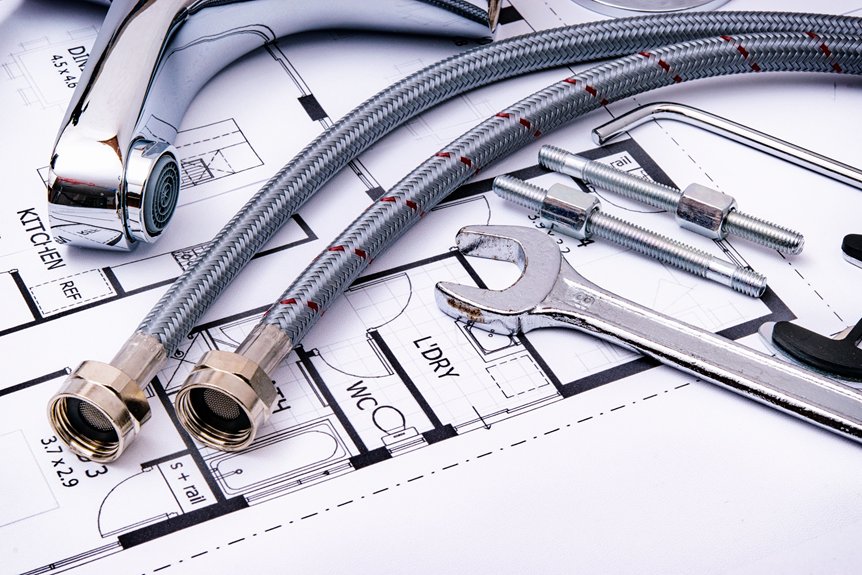
If you’re new to plumbing takeoffs, understanding MEP drawings is crucial. You will encounter a range of symbols, such as pipe fittings and valves, which can seem daunting at first. However, familiarising yourself with these symbols and how to interpret them will streamline your workflow.
As you delve into methods for taking off quantities, you’ll find both manual and digital tools at your disposal. The choice between these options can significantly impact your efficiency and accuracy. Let’s explore the resources and strategies that will enhance your confidence in this essential process.
Understanding MEP drawings and the associated terminology is vital for anyone involved in plumbing takeoffs. With practice, you’ll soon be able to navigate these drawings with ease, ensuring precise measurements and effective project planning.
Whether you opt for traditional methods or embrace digital solutions, the key is to select the tools that best suit your working style and project needs. By doing so, you’ll be well on your way to mastering the art of plumbing takeoffs.
Key Takeaways
A Beginner’s Guide to Reading MEP Drawings for Plumbing Takeoffs
- Familiarise yourself with MEP drawings to grasp plumbing system layouts, including pipe routes and fixture locations.
- Learn the essential symbols and their meanings by consulting drawing legends, which will help you effectively identify components such as valves and fittings.
- Choose a consistent takeoff method, whether manual or digital, to ensure accurate measurements and adherence to material standards.
- Practise measuring actual plumbing components to improve your ability to interpret MEP drawings accurately.
- Utilise software applications and online resources for training and support to enhance your skills further.
This guide aims to provide you with a solid foundation in reading MEP drawings, focusing on plumbing takeoffs, which is crucial for both efficiency and accuracy in your projects.
Understanding MEP Drawings for Plumbing: A Beginner’s Guide
When you immerse yourself in the world of plumbing takeoffs, understanding MEP (Mechanical, Electrical, and Plumbing) drawings is essential. These drawings serve as a roadmap for plumbing design, outlining how systems work together efficiently.
You’ll find that the system layout not only shows pipe routes but also indicates fixture locations, valves, and other critical elements.
As you explore the MEP drawings, you’ll start recognizing different components and how they interact, making you feel more confident in your skills. It’s like joining a community where each line and symbol plays a role in the big picture of a project.
Identifying Key Symbols for Plumbing Takeoffs
Identifying key symbols on MEP drawings is crucial for accurate plumbing takeoffs. These plumbing symbols communicate vital information about the system’s components.
Familiarize yourself with the drawing legends, as they provide a guide to what each symbol represents. For example, you’ll often see symbols for pipe fittings, valves, and fixtures.
Recognizing these symbols helps you visualize the entire plumbing layout, making it easier to calculate the materials you’ll need. Don’t be overwhelmed—practicing with different drawings will build your confidence.
Connecting with others who are also learning can be beneficial, so consider discussing your findings with peers or joining forums. As you grow in your understanding, you’ll feel more at home maneuvering MEP drawings.
Easy Plumbing Takeoff Procedures
Understanding the symbols on MEP drawings sets the stage for efficient plumbing takeoff procedures. To simplify your takeoff, start by familiarizing yourself with plumbing material standards. This ensures you’re using the right materials, streamlining your project.
Next, adopt effective takeoff estimation methods. You might prefer either manual takeoffs or digital methods, depending on what fits your workflow best. Below is a quick reference table to help you get started:
| Method | Advantages | Disadvantages |
|---|---|---|
| Manual Takeoffs | Direct control, detailed review | Time-consuming |
| Digital Takeoffs | Speed, accuracy | Learning curve may exist |
| Hybrid Approach | Best of both worlds | Requires familiarity with tools |
Whichever method you choose, consistency is key. Keep refining your skills, and you’ll find that plumbing takeoffs can become an easier part of your process. With practice, this will feel like second nature.
Top Challenges in Reading MEP Drawings and How to Tackle Them
Reading MEP drawings can feel intimidating, especially with the variety of symbols and notations used. You might face common misconceptions, like thinking that all symbols have the same meaning, when they can vary by project.
One of the biggest challenges is interpreting scales correctly. If you’re unsure, lines can get blurry, leading to inaccuracies in your takeoffs.
To tackle these issues, familiarize yourself with the specific symbol legend on each drawing. Don’t hesitate to ask questions or seek clarification from colleagues or mentors—everyone starts somewhere!
To improve your scale interpretation, practice measuring real-world counterparts to the drawings. Using tools like a scale ruler or digital measuring applications can also help.
Tools and Resources for Mastering MEP Drawings in Plumbing
Master MEP drawings for plumbing by utilizing the right tools and resources at your disposal. To get started, consider these essential aids that can improve your understanding and skills:
| Type of Resource | Examples |
|---|---|
| Software Applications | AutoCAD, Revit, and Navisworks |
| Digital Resources | Online forums, blogs, and videos |
Training courses offer structured learning, while expert tutorials provide valuable insights. Don’t overlook reference guides to help you bring everything together according to industry standards. Joining local or online communities can further deepen your connections and knowledge, helping you feel supported on your journey. Remember, mastering MEP drawings takes practice, so make use of these resources regularly. Each one can bring you closer to becoming proficient in plumbing takeoffs and boost your professional confidence. Keep exploring and learning, and you’ll develop a strong foundation to build upon.
Conclusion
Mastering MEP drawings for plumbing takeoffs may seem daunting at first, but with consistent practice and the right tools, you will develop the confidence needed to excel. Start by getting to grips with essential symbols and procedures, which will help streamline the process.
Familiarise yourself with industry-standard terminology and conventions specific to plumbing systems. This knowledge is vital for effective interpretation of the drawings.
Consider exploring specialised software and resources that can enhance your skills. These tools often come equipped with features designed to simplify the reading of complex drawings.
As you gain experience, the ability to read and interpret MEP drawings will become instinctive, empowering you to manage plumbing projects with confidence and accuracy.
Remember, patience and persistence are key components of success in understanding these technical documents. Embrace the learning process, and soon you’ll find that tackling plumbing takeoffs is much more manageable.